Hill Country winters are mostly mild, then a blue norther blows through and the temperature drops twenty degrees in an hour. A portable heater is a quick way to warm one room without heating the whole house, but heaters are also a leading cause of winter home fires.
Buy the safety features
- Tip-over switch cuts power if the heater falls.
- Overheat protection shuts it down if internal parts get too hot.
- Cool-touch housing matters around kids and pets.
- A safety listing such as UL or ETL shows it was tested.
Keep a three-foot zone
Leave at least three feet of clear space around the heater, away from curtains, bedding, sofas and paper. Set it on a hard, level floor instead of a rug.
Use a wall outlet
Plug the heater directly into the wall. Never use an extension cord or power strip, and stop using the heater if the plug or cord feels hot.
| Do | Don't |
|---|---|
| Keep three feet of space | Dry clothes on or near it |
| Plug straight into the wall | Use a power strip |
| Switch off when you leave | Run it overnight unattended |
| Test alarms every month | Ignore a damaged cord |
Back it up
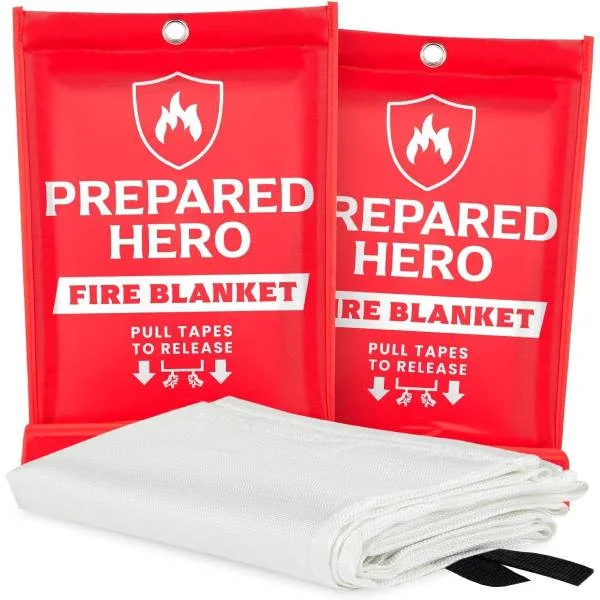
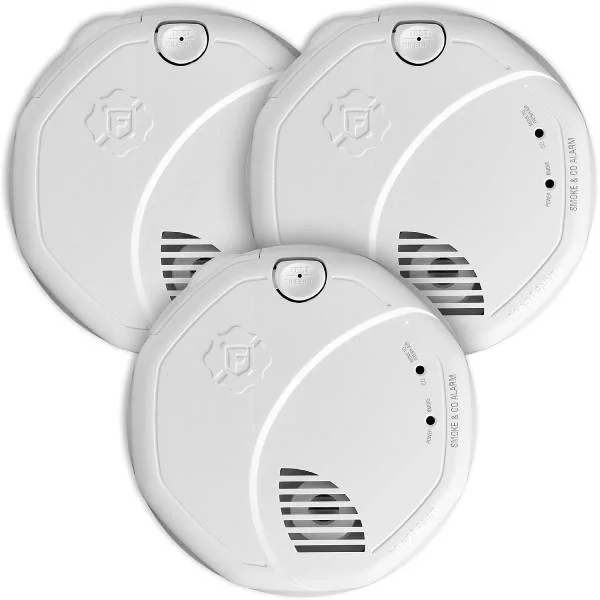
Test smoke and carbon monoxide alarms monthly, keep a fire blanket in the kitchen and agree two ways out of every room with everyone at home.